Middle East and North Africa Subcommittee Chairman Lawler Delivers Opening Remarks at Hearing on the Evolving Terrorism Landscape and State's Counterterrorism Response
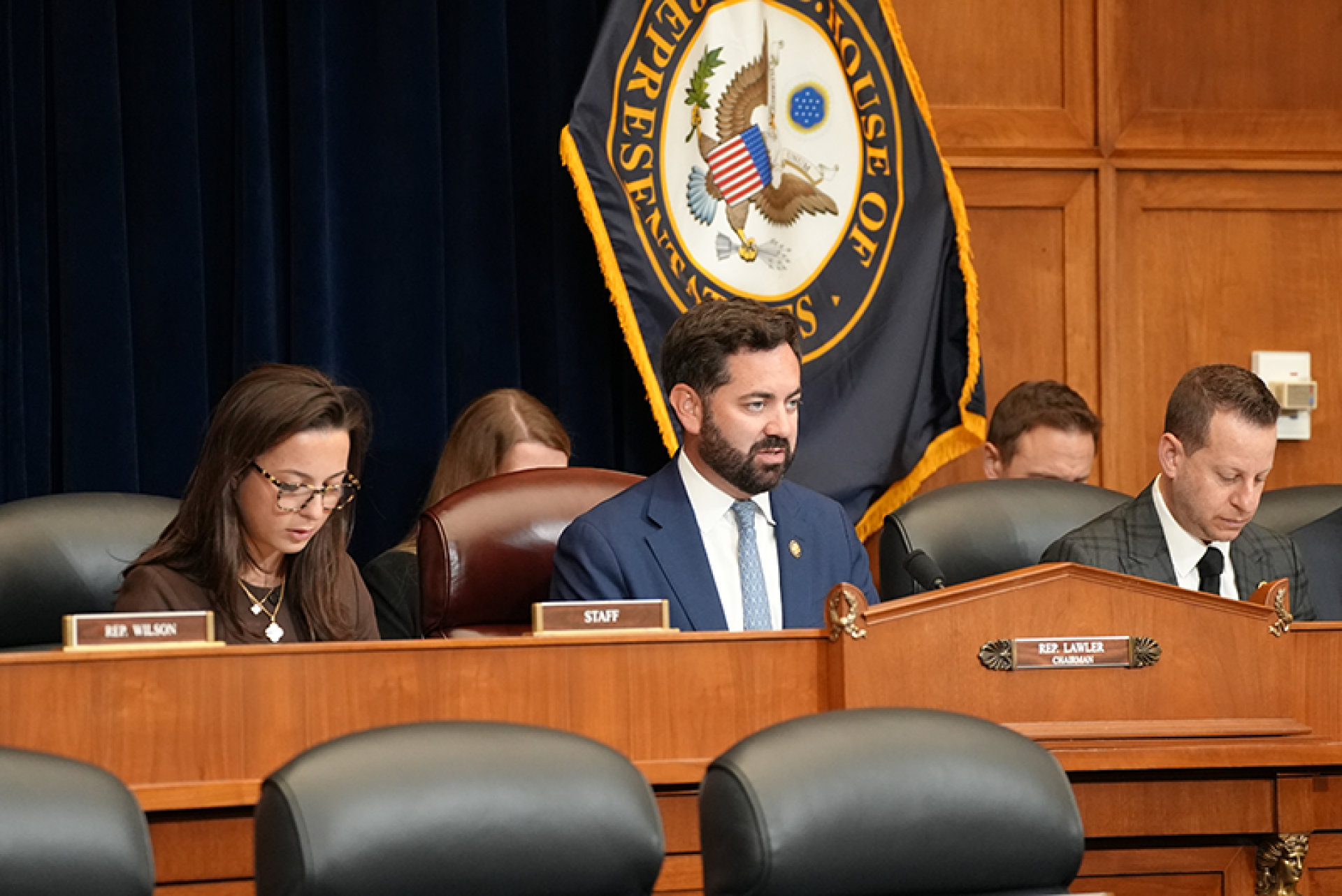
WASHINGTON, D.C. – Today, House Foreign Affairs Committee Middle East and North Africa Subcommittee Chairman Mike Lawler delivered opening remarks at a hearing titled "Twenty-Five Years After 9/11: The Evolving Terrorism Landscape and State's Counterterrorism Response”.
-Remarks-
Good morning, everyone, and thank you to our witness, Mr. Joel Borkert, from the State Department's Bureau of Counterterrorism, for appearing before us today. Last week, we marked 25 years since the September 11th terrorist attacks. Today, we convene this subcommittee hearing to examine how the geopolitical landscape has evolved since 9/11 and how State's counterterrorism response has evolved with it. To all of my colleagues on the committee and everyone watching at home, I just want to remind you that we New Yorkers don't just think about 9/11 on the anniversary every year. We have spent the last 25 years mourning loved ones and our neighbors, fighting for better health care for survivors and first responders, and funding the US VSST fund and memorials to the fallen, all in pursuit of supporting every individual impacted by these attacks.
While New York feels the scars every day, the terrorists that committed these attacks, including their proxies and affiliates, represent a global threat. Our State Department is now charged with confronting these threats abroad before they ever reach our shores again. The Bureau of Counterterrorism is the Department's backbone for that mission. CT leads U.S. diplomatic engagement on counterterrorism, administers related sanctions, and builds partner nations' capacity to detect and disrupt threats. Twenty-five years after 9/11, that threat looks nothing like it did in 2001. Al Qaeda's core is degraded, but its affiliates have spread across the Sahel and South Asia. ISIS has lost its territory but still radicalizes and recruits online. Iran and its proxies remain active across the Middle East. Terrorist groups increasingly exploit the internet and emerging technology to spread propaganda and inspire lone actors. This administration has now added transnational criminal organizations to the list of terrorist threats.
This hearing gives us the opportunity to hear directly from the Bureau about the work it has done to meet the shift head on. It will allow the committee to understand how CT is running programs as a coordinated system, targeting the same priority partners against a shared threat assessment, and to learn more about the real results that approach has delivered. Effective counterterrorism policy is built on a strong partnership between Congress and the State Department, grounded in transparency and a shared strategic vision.
As we learn more about CT's coordination with allies and partners and look for opportunities to sharpen its efficiency and impact, this subcommittee remains a committed partner in ensuring the Bureau has the authority, structure, and guidance it needs to meet the threats of today. Mr. Borkert, we look forward to your testimony and to a serious discussion of how we honor those we lost on September 11th, 25 years ago, by getting this mission right for the many years to come.