Chairman Mast, HFAC, Advances Foreign Service Modernization Act
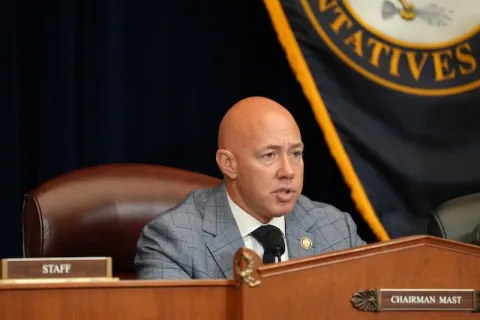
WASHINGTON, D.C. – This week, the House Foreign Affairs Committee advanced the Foreign Service Modernization Act as part of a full committee markup.
The bill provides much-needed reforms to ensure America’s front-line diplomats have the tools needed to meet today’s national security and geopolitical challenges.
“The men and women serving overseas are often the first line of defense for the United States. They engage foreign governments before crises become conflicts. They work to protect American citizens. They build relationships that advance our security and economic interests. And when diplomacy succeeds, American servicemembers are less likely to be placed in harm's way,” said House Foreign Affairs Committee Chairman Brian Mast. “But effective diplomacy requires more than talented people. It requires leadership, accountability, and clear chains of command. It requires an institution that understands exactly who it works for and exactly what mission it has been given. That is what this legislation seeks to restore.”
The Foreign Service Modernization Act, introduced by Middle East and North Africa Subcommittee Chairman Mike Lawler marks the first comprehensive review of the Foreign Service Act, which codifies personnel matters for Foreign Service Officers, since it was signed into law in 1980.
“America's diplomats serve on the front lines of our foreign policy in some of the most challenging environments around the world. The Foreign Service Act has not undergone a comprehensive review in more than four decades, despite dramatic changes in the geopolitical landscape and the challenges facing our nation. This legislation ensures our diplomats are mission-focused and equipped with the tools to advance American interests and respond to emerging threats,” said Congressman Lawler.
Over time, too many parts of our diplomatic establishments lost sight of their mission. This bill changes that, strengthening diplomacy by restoring mission focus and accountability, to ensure America's diplomatic institutions are working for the American people.
- The legislation includes several personnel reforms focused on how the State Department recruits and trains diplomats, including measures that would:
- Provide Ambassadors with increased authorities and oversight in carrying out US foreign policy at their posts overseas,
- Create a pilot program for a Diplomatic Reserve Corps, modeling the reserve functions of the armed services, that would surge diplomats to the front lines in response to emergencies and crises abroad,
- Enhance expeditionary diplomacy in austere posts to advance American interests outside of the confines of embassy walls,
- Align State Department human resources technology and training to meet modern national security demands, and
Increase pathways for military veterans to join the Foreign Service
These reforms, which focus on defining the mission and culture of the Foreign Service, build upon Chairman Mast’s focus on restoring command and control over the State Department. Last year, the Committee passed the first comprehensive bipartisan State Department reauthorization in more than two decades. Doing so set a powerful precedent for ensuring continued accountability for the American people.
###